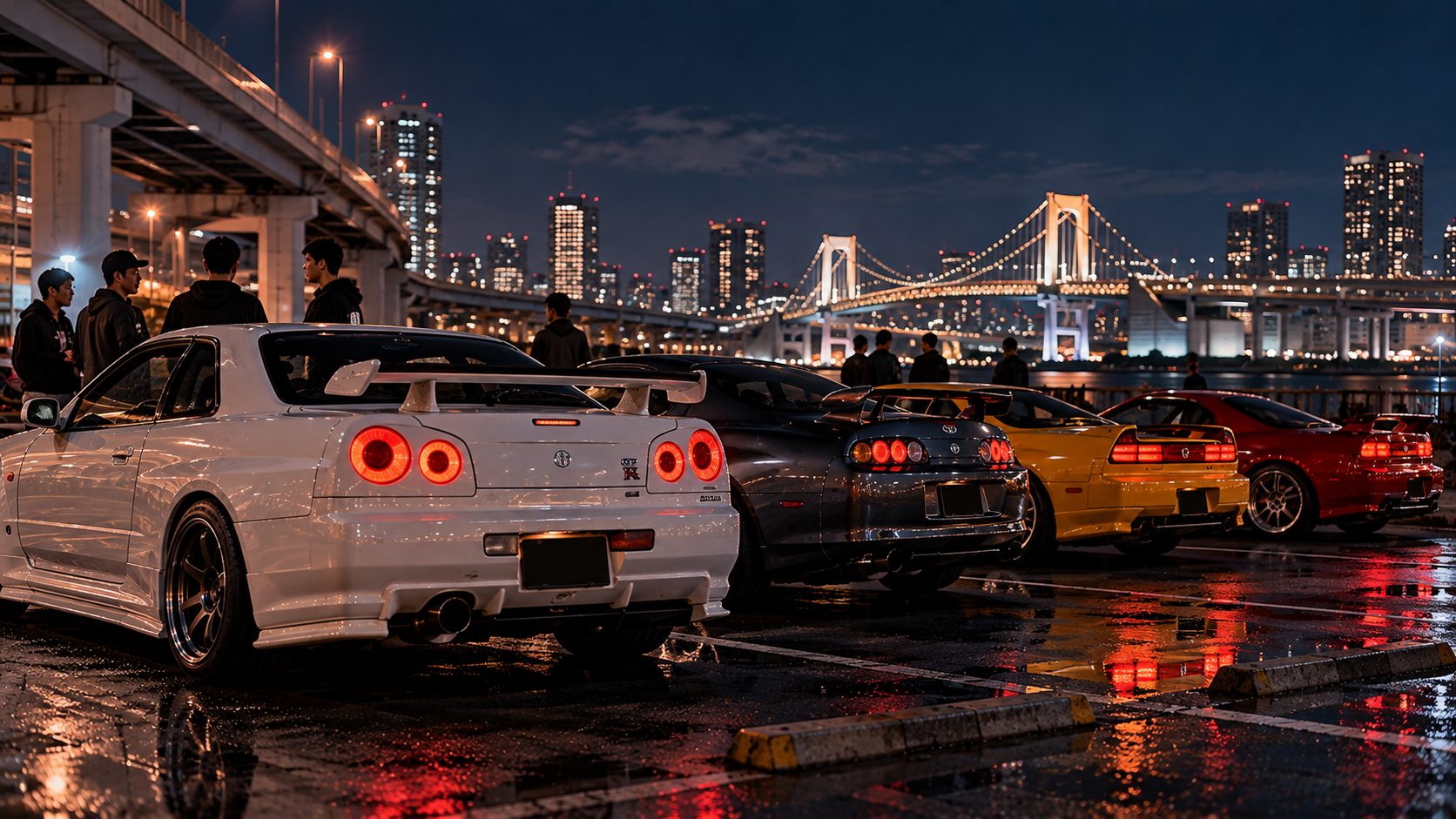
There is a particular feeling that comes with driving through an empty city after midnight. The traffic lights still change, shop windows glow against dark streets, and familiar buildings stand quietly beside the road. But the movement that usually defines the city has almost disappeared.
The same street that felt crowded and impatient a few hours earlier now seems spacious. Intersections that once demanded constant attention offer a clearer view ahead. The sound inside the cabin becomes more noticeable, and the distance between one streetlight and the next begins to shape the rhythm of the journey.
Nothing about the road itself may have changed. Yet the experience feels different.
Midnight driving has a distinctive atmosphere because the environment, the driver’s attention, and the familiar relationship between movement and time all change after dark. Understanding that feeling helps explain why some people remember a quiet night drive long after the journey has ended.
What Drivers Should Remember About Night Driving
An empty road can feel calm, but fewer vehicles do not automatically make a journey safer. Darkness changes what drivers can see, how early they recognize hazards, and how much time they have to react.
Visibility becomes more limited. Headlights illuminate only part of the road ahead, while pedestrians, cyclists, animals, and objects outside the beam may be difficult to notice. Reduce speed when visibility is limited and keep enough distance to stop safely.
Fatigue can become a serious risk. Late-night driving often overlaps with the body’s natural sleep period. Frequent yawning, heavy eyelids, drifting between lanes, or difficulty remembering the last few kilometres are warning signs. Pull over somewhere safe and rest rather than relying on loud music, open windows, or caffeine alone.
Speed should match the conditions. A road that looks empty may still contain sharp bends, damaged surfaces, parked vehicles, or unexpected obstacles. Drive at a speed that allows you to respond within the distance you can see clearly.
Use headlights thoughtfully. Use high beams only when appropriate and switch to low beams when approaching or following other vehicles, in accordance with local rules. Clean headlights and a clear windshield also help reduce glare and improve visibility.
Plan the journey before leaving. Check the route, fuel or battery level, weather, and expected arrival time. If possible, tell someone your route when travelling alone late at night.
A memorable night drive is not defined by how fast or how far someone travels. It is the combination of atmosphere, awareness, and arriving safely at the destination.
The City Changes When Its Noise Disappears
During the day, a city asks for attention from almost every direction. Traffic, pedestrians, delivery vehicles, construction, advertisements, and conversations compete for space. Even a short journey can feel busy because the road is only one part of a much larger stream of activity.
Late at night, many of those distractions become less prominent. Some businesses close, pedestrian activity decreases in certain areas, and traffic may become lighter. The city does not stop functioning, but its pace can feel noticeably different.
That change affects the atmosphere inside the car. With fewer visual events competing for attention, the driver may become more aware of the road surface, the engine, the tires, and the pattern of streetlights passing across the dashboard.
Buildings that seemed ordinary in daylight can look unfamiliar when illuminated by isolated signs or windows. A familiar intersection may appear almost cinematic when most of the surrounding shops are dark.
The city has not become another place. It is the same environment seen under different conditions, and those conditions can change how the journey feels.
Empty Roads Change the Rhythm of Driving
Heavy traffic creates a stop-start rhythm. Drivers accelerate, brake, wait, change lanes, and respond to the movements of other vehicles. Progress depends as much on surrounding traffic as on the car itself.
When traffic becomes lighter, driving can feel more continuous. There may be fewer interruptions, and the movement between intersections can seem smoother. The road ahead becomes easier to read, at least in places where visibility and road conditions are good.
This continuity can make a journey feel longer in a pleasant way, even when the actual travel time is shorter. Instead of measuring the trip through queues and delays, the driver becomes more aware of the sequence of streets and the steady passage of distance.
However, an empty road is not necessarily a safe road. Reduced traffic can encourage excessive speed, while darkness makes pedestrians, cyclists, animals, and road hazards harder to detect. A quiet street still requires attention, appropriate speed, and enough distance to react to unexpected events.
The appeal of a night drive does not come from driving faster. It comes from experiencing a different rhythm while remaining in control of the vehicle.
Streetlights Create a Different Kind of Landscape
Daylight reveals a broad range of colors and details. At night, the visual world becomes more selective. Headlights illuminate the immediate path, streetlights create pools of brightness, and buildings emerge from the darkness in fragments.
This contrast changes the way distance and movement are perceived. A row of lights can draw the eye toward the horizon, while reflections on wet pavement can make a street feel deeper or more dramatic than it appeared during the day.
Different neighborhoods also develop their own nighttime character. A commercial district may glow with signs and illuminated windows. A residential street may be defined by porch lights and occasional passing cars. An elevated road may offer glimpses of the city through gaps between buildings.
For someone who enjoys observing places, these changing views can make a familiar route feel worth experiencing again.
Photography and film often use nighttime lighting to create a sense of isolation, movement, or quiet reflection. Real roads can have a similar atmosphere, although everyday driving is less carefully arranged than a cinematic scene.
The most memorable moments may be simple: the light of a traffic signal reflected across the hood, a row of trees beneath orange lamps, or the first hint of dawn appearing at the edge of the sky.
The Cabin Becomes Its Own Small World
At night, the interior of a car can feel more separate from the outside environment. The dashboard glows softly, the windows reflect parts of the cabin, and the road ahead occupies much of the driver’s view.
That contrast can create a feeling of privacy. The vehicle becomes a small, moving space in which the driver can focus on the journey without being surrounded by the full activity of the city.
Familiar details can become more noticeable in this setting. The position of the steering wheel, the glow of the instrument panel, the sound of the ventilation system, and the shape of the road ahead all contribute to the atmosphere.
For some drivers, this environment feels relaxing. For others, it may feel isolating or uncomfortable. The response depends on personality, fatigue, familiarity with the route, and the conditions outside.
It is also important not to confuse a quiet cabin with freedom from responsibility. Drivers still need to monitor mirrors, watch for hazards, and remain alert. If tiredness is setting in, the correct response is to stop somewhere safe and rest rather than relying on the calm atmosphere to stay awake.
Why Familiar Roads Can Feel New at Night
Driving a familiar route during the day often becomes automatic. You recognize landmarks, anticipate intersections, and know which lane you usually need. Much of the journey can feel predictable.
After dark, some of those visual cues disappear or change. A building may be harder to recognize, a shop sign may stand out more clearly than its surroundings, and a curve may appear different when the road edges are defined mainly by headlights.
This changes the driver’s perception of the same environment. The route remains familiar, but the information available to the eyes is different.
That contrast can make an ordinary road feel newly interesting. It may reveal details that were overlooked during the day or create a different impression of the distance between places.
Still, reduced visibility also makes it harder to judge hazards. Familiarity should never be a reason to assume that a road is clear. Temporary roadworks, parked vehicles, pedestrians, and changing surface conditions can appear unexpectedly.
The best approach is to enjoy the different atmosphere while treating the road as an environment that requires active observation.
Music Can Shape the Mood of a Night Drive
Music often becomes part of the memory of a particular journey. A track played repeatedly on late-night drives can eventually bring back the same streetlights, reflections, and feeling of movement whenever it is heard again.
The type of music can change the atmosphere. Slow, spacious electronic music may suit a quiet journey through a city, while a familiar song can make a long route feel connected to a particular period of life. Some drivers prefer silence, allowing the engine and road noise to form the soundtrack.
There is no universal nighttime playlist. The music that feels right depends on the driver, the vehicle, the route, and the mood of the moment.
Volume matters, too. Music should remain low enough to hear horns, emergency vehicles, and other important sounds. If it distracts from driving, turn it down or switch it off.
At its best, music complements the journey rather than competing with it. It adds atmosphere without taking attention away from the road.
We explore this connection in Why Music Makes Driving Feel Different, including how rhythm and familiarity can influence the way a journey is remembered.
The Psychology of Having More Space Around You
One reason an empty road can feel different is the change in perceived space. In busy traffic, a driver must constantly respond to nearby vehicles and limited gaps. The surrounding traffic determines much of the journey’s pace.
When there are fewer vehicles, the road may feel more open. There is often more visual space ahead, fewer immediate interruptions, and less need to respond to the movements of a dense group of cars.
For some people, that space creates a feeling of freedom. It allows the journey to feel less fragmented and gives the driver a clearer sense of direction.
But the experience is not identical for everyone. An empty road in an unfamiliar area can feel unsettling, particularly when lighting is poor or there are few places to stop. Some people enjoy the solitude, while others prefer the reassurance of busier streets.
The difference is shaped by context. A well-lit urban boulevard is not the same as an isolated rural road, and a familiar route may feel more comfortable than an unfamiliar one.
Rather than assuming that empty roads are always peaceful, it is more accurate to say that fewer surrounding vehicles can change the balance between movement, space, and attention.
Night Driving Makes Preparation More Important
The atmosphere of a midnight drive should not distract from the practical requirements of driving after dark. Reduced visibility, fatigue, and fewer open services can make small problems more difficult to manage.
Before leaving, make sure the headlights, taillights, brake lights, and turn signals are working properly. Clean the windshield and mirrors, check that the tires are in suitable condition, and make sure the fuel or battery range is adequate for the journey.
Choose a route that you can follow safely, and know where you could stop if you need a break. If you are travelling somewhere unfamiliar, reviewing the route before departure can reduce unnecessary distractions.
Fatigue deserves particular attention. Darkness and the body’s natural sleep cycle can make it harder to maintain concentration, even when the road is quiet. Opening a window or turning up the music is not a reliable substitute for rest.
If you become drowsy, stop at a safe, well-lit location and rest. If you are too tired to drive safely, postpone the trip or arrange another way to travel.
For a more complete preparation guide, read How to Prepare Your Car for a Long Road Trip.
Why the Quietest Drives Can Stay With Us
Not every memorable journey involves a spectacular destination. Sometimes, the memory comes from the atmosphere of the drive itself.
You might remember a nearly empty street after a long day, a city bridge seen from behind the windshield, or the moment the first signs of morning appeared while you were heading home. These experiences may seem ordinary when they happen, yet they can remain vivid because they felt different from the rest of the day.
The road provided a change of pace. The environment was familiar but transformed, and the journey offered a stretch of time in which movement felt more noticeable than the destination.
Such memories are personal. One driver may remember the sound of the engine, while another remembers a particular song or the reflections of traffic lights on the road.
Over time, a route can become associated with a specific period of life. Driving it again may bring back the mood of those nights, even if the neighborhood has changed.
This is part of the emotional side of driving: cars and roads become connected to experiences that are difficult to capture through specifications or travel times alone.
Midnight Is Not the Only Time for a Quiet Drive
The atmosphere often associated with midnight can appear at other times, too. Early mornings before the city becomes busy, rainy afternoons, and quiet stretches of road outside major urban areas can all create a similar sense of space.
The important ingredient is not the clock itself. It is the combination of traffic, light, surroundings, and the driver’s state of mind.
An early morning journey may offer cool air and soft light. A rainy evening may bring reflections and muted colors. A rural road during a quiet afternoon may provide the same feeling of uninterrupted movement that people seek after midnight.
Each setting has its own risks and requirements. Rain reduces visibility and grip, while rural roads may contain animals, sharp bends, or limited lighting. The atmosphere should always be enjoyed within the limits of safe driving.
For drivers who value the journey itself, exploring different times and routes can reveal how much the environment changes the experience behind the wheel.
Our article Why Some Roads Are More Enjoyable Than Others examines how road layout, scenery, surface quality, and rhythm contribute to that experience.
The Road Feels Different Because We Notice Different Things
Empty roads after midnight do not possess a special quality that makes every journey peaceful or enjoyable. The difference comes from a combination of changing surroundings and the way we respond to them.
Less traffic can make movement feel more continuous. Streetlights alter the visual landscape, the cabin can feel more private, and familiar routes may reveal details that are easy to miss during the day. Music, memory, and personal circumstances add further layers to the experience.
For some drivers, these elements create a sense of calm. For others, darkness and isolation make the same roads less appealing. Both responses are understandable.
What matters is recognizing that driving is shaped by more than the car or the destination. Time, light, sound, and the surrounding environment influence how a journey feels.
At AutoWalkthrough, we believe the experience of driving lives in these details as much as in horsepower or performance figures. Sometimes, a familiar road becomes memorable simply because the world around it has grown quiet.
And sometimes, the drive you remember most is not the one that takes you somewhere new, but the one that lets you experience a familiar place in a completely different way.