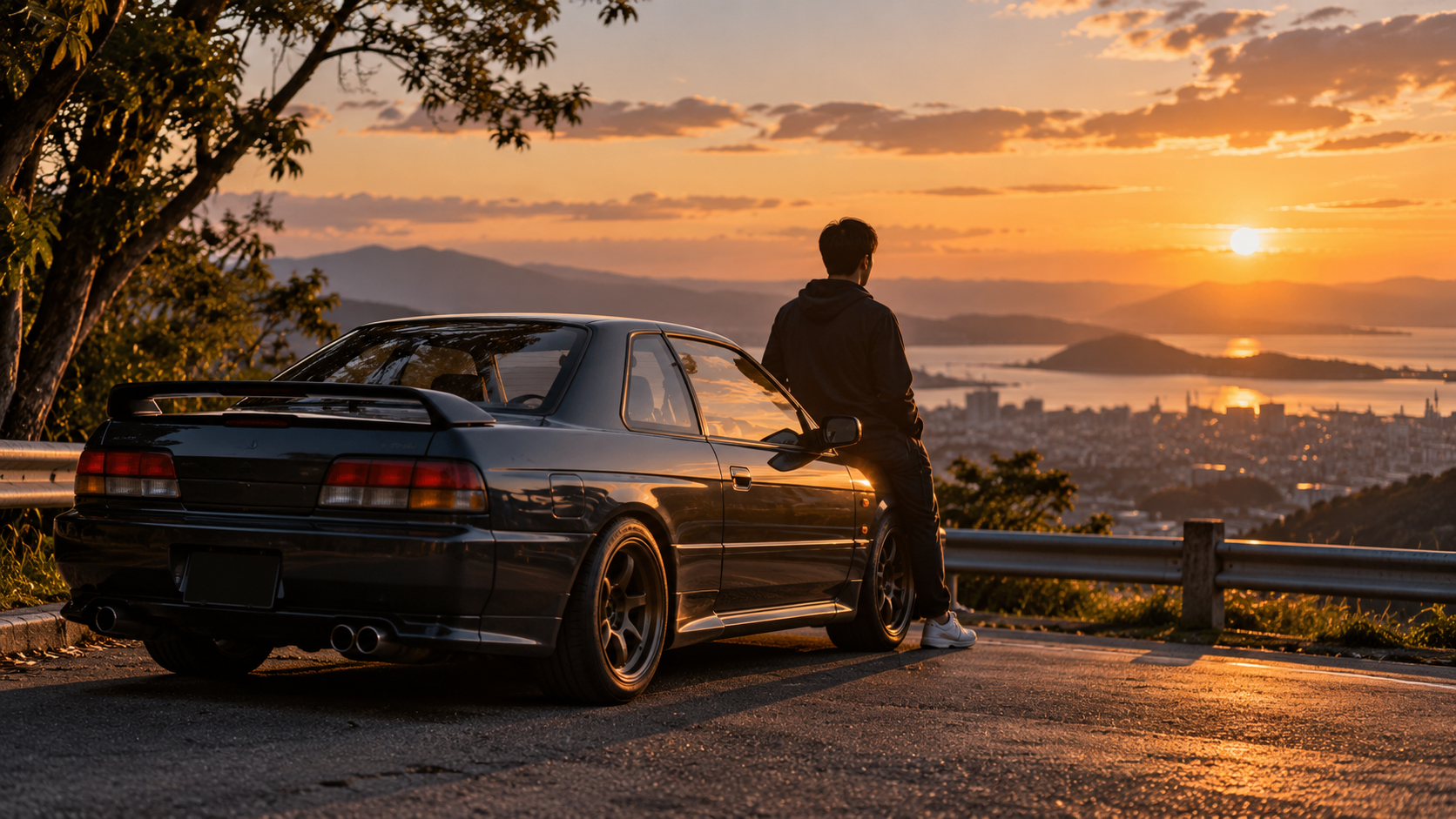
Some cars disappear from our lives without leaving much behind. We trade them in, sell them to another owner, or move on to something newer. A few weeks later, they become little more than a photograph in an old folder.
Then there are the others.
The car you still think about years later. The one you occasionally search for online, wondering whether it is still on the road. The one whose engine sound, steering feel, or slightly worn interior comes back to you without warning.
You may have owned faster cars since then. You may have spent more money on newer technology, better interiors, and more impressive performance. Yet something about that particular car remains difficult to replace.
Why do we remember certain cars long after we sell them? The answer often has less to do with horsepower or market value than we might expect.
We Remember the Life We Had With Them
A car rarely exists in isolation from the rest of our lives. It becomes part of a particular period, connecting itself to the places we visited, the people who rode beside us, and the things we were trying to achieve.
Perhaps it was the first car you bought with your own money. Maybe it carried you to your first job, helped you move into a new home, or took you on weekend drives when life felt simpler. It might have been an inexpensive used car, imperfect in almost every measurable way, but perfectly suited to the person you were at the time.
Years later, remembering the car can bring back that entire chapter of life.
This is one reason a photograph of an old vehicle can feel surprisingly personal. You are not simply looking at a machine. You are remembering the version of yourself who drove it.
The Small Details Become the Lasting Memories
Memory does not always preserve the things that look most impressive in a specification sheet. Often, it keeps the details that seemed ordinary when they happened.
The particular sound of the engine on a cold morning. The way the steering wheel felt in your hands. The shape of the dashboard at sunset. The slight vibration through the pedals, the smell of the cabin after rain, or the sound of the door closing.
These details form a car’s personal identity in the mind of its owner.
A newer vehicle might be quieter, faster, safer, and more comfortable. But it cannot automatically reproduce the feeling of sitting in a car you knew intimately for years. Familiarity creates its own kind of attachment, especially when a machine responds in ways you learned to recognize without thinking.
Sometimes, the imperfections become part of the affection. A stubborn window switch, a worn gear knob, or an engine that needed a little patience could become inseparable from the experience of owning the car.
That does not mean every old car was wonderful. It means that the experience of living with one can become more meaningful than its faults suggest.
The First Car Often Leaves a Different Kind of Impression
For many enthusiasts, the first meaningful car occupies a special place in memory. It represents more than transportation. It can represent independence.
Being able to leave home whenever you wanted, choose a destination, and take the longer route simply because it looked interesting was a different kind of freedom. Even an ordinary drive could feel like an event when the car was your own.
The vehicle itself might not have been rare or expensive. It may have been an older Japanese sedan, a small hatchback, a family hand-me-down, or a used car purchased after months of saving.
What mattered was what it made possible.
This is also why two people can remember the same model in completely different ways. One person sees an aging economy car. Another remembers the late-night food runs, the first long-distance journey, and the friends who squeezed into its seats.
The emotional value belongs to the experience, not just the badge on the bonnet.
Driving Creates Memories in a Way Parking Cannot
Cars are unusual possessions because so much of their character is experienced while moving.
You remember how a familiar road felt behind the wheel. You remember the engine responding as the road opened up, the rhythm of a winding route, and the quiet satisfaction of arriving somewhere after a long journey.
These experiences connect a vehicle to a place and a feeling. A particular car might always remind you of a coastal road, a mountain pass, or a stretch of empty highway driven before sunrise.
That connection helps explain why some cars seem to have more character than their specifications suggest. Their significance grows through use, through repeated journeys, and through the driver’s growing understanding of the machine.
We explored a related idea in Why Some Cars Have More Character Than Others: a memorable car is often defined by the way its details come together, not by one headline number.
The more meaningful the journeys become, the harder it can be to separate the car from the memories it helped create.
Why Selling the Car Can Feel Like Losing Something Personal
Selling a car is usually presented as a practical decision. The next vehicle may be more reliable, more economical, or better suited to a changing family. Sometimes the old car simply costs too much to maintain.
Those reasons can all make sense, and selling it can still feel unexpectedly difficult.
Part of the discomfort comes from knowing that the relationship has reached its final chapter. Someone else will adjust the seat, turn the key, and take the car onto roads you once knew together. The next owner may never notice the details that made it special to you.
You might wonder whether the new owner will maintain it properly, whether the car will be modified, or whether it will eventually disappear from the road.
These thoughts can seem irrational when viewed only through the economics of vehicle ownership. But attachment is not calculated like depreciation. A car can have very little resale value and still carry enormous personal meaning.
Letting it go does not erase that meaning. It simply changes your relationship with it.
Newer Cars Can Be Better Without Replacing the Old Feeling
Modern vehicles offer advantages that older cars often cannot match. Safety systems have improved, cabins can be more refined, fuel efficiency has advanced, and technology has made everyday driving easier.
There is no need to pretend that an older vehicle is objectively superior in every respect to appreciate what it offered.
In fact, the contrast can make the memory even clearer. You might enjoy the comfort and convenience of a newer car while still missing the direct steering, simple controls, or distinctive engine note of the one you sold.
The two experiences do not have to compete. One can be the better car for daily life, while the other remains the car you remember most fondly.
That distinction is important. Loving an old car does not necessarily mean wanting to live with its maintenance problems again. Sometimes you want the memory, not another repair bill.
Automotive Nostalgia Is About More Than Classic Cars
When people talk about automotive nostalgia, the conversation often turns to rare classics, iconic sports cars, and collectible models. Those vehicles certainly deserve their place in the story.
But nostalgia does not require a six-figure auction price or a famous name.
A mass-produced hatchback can be just as meaningful to the person who owned it. A family sedan can carry decades of memories. A modest coupe can remind someone of a time when driving was less about reaching a destination and more about enjoying the journey.
This is one of the most interesting parts of automotive culture: the cars that matter most to people are not always the cars that receive the most attention.
Car communities, meetups, and enthusiast conversations often bring these personal stories into the open. Owners discover that someone else remembers the same model, the same engine, or the same era for entirely different reasons.
Our article Why People Still Love Older Cars looks at the broader appeal of older vehicles, from design and mechanical character to nostalgia and shared culture.
Every enthusiast has a different definition of a memorable car. That variety is part of what keeps automotive culture alive.
Sometimes, We Remember the Road as Much as the Car
Think about a car you once loved. What comes to mind first?
It might be the vehicle itself. But it could just as easily be a particular drive: an empty road at night, a mountain route in the early morning, or a long journey with music playing while the landscape slowly changed outside the windows.
The car was the constant presence during those moments. It carried you through them, giving the memories a familiar sound, shape, and physical feeling.
Music can strengthen that connection. A song heard repeatedly during a particular period can bring back the feeling of a journey years later. The engine note, road noise, cabin atmosphere, and soundtrack become part of the same memory.
That is one reason driving can feel deeply personal even when the route itself is ordinary. The experience is a combination of movement, atmosphere, familiarity, and whatever happens to be occupying your mind.
At AutoWalkthrough, we believe cars are only part of the story. The roads we travel, the music we play, and the moments that happen along the way are just as important.
The Cars We Remember Tell Us Something About Ourselves
Eventually, the details of an old car may become less precise. You might forget its exact mileage or the date of its last service. You may even struggle to remember every modification or repair.
Yet the feeling remains.
You remember what it was like to own it, where it took you, and why it mattered at that particular moment in your life. The car becomes a reference point for a time that cannot be recreated in quite the same way.
Perhaps that is why some people spend years searching for the exact model they once sold. They may want to experience the car again, but they are also trying to reconnect with something the car represents.
Buying another example can bring back familiar sensations, but it cannot reproduce the past. The roads may have changed, friends may have moved away, and the person behind the wheel is no longer quite the same.
Still, there can be something satisfying about finding that old model again. It offers a tangible connection to a chapter of life that would otherwise exist only in memory.
Some Cars Leave the Driveway, but Never Quite Leave Us
We eventually sell most of the cars we own. Practical needs change, circumstances shift, and another vehicle takes its place. That is a normal part of ownership.
But the most memorable cars are not measured only by how long we keep them. They are measured by what they become part of.
A car might represent independence, friendship, a difficult period overcome, or a time when a simple drive was enough to make the day feel better. It might remind us of someone who is no longer around or of a place we have not visited in years.
That is why the car you remember most may not be the most powerful, expensive, or reliable one you ever owned.
It may simply be the one that was there when it mattered.
And long after it leaves the driveway, a familiar engine sound or an old photograph can bring the whole experience back for a moment. The car is gone, but the road it travelled through your life is still there.