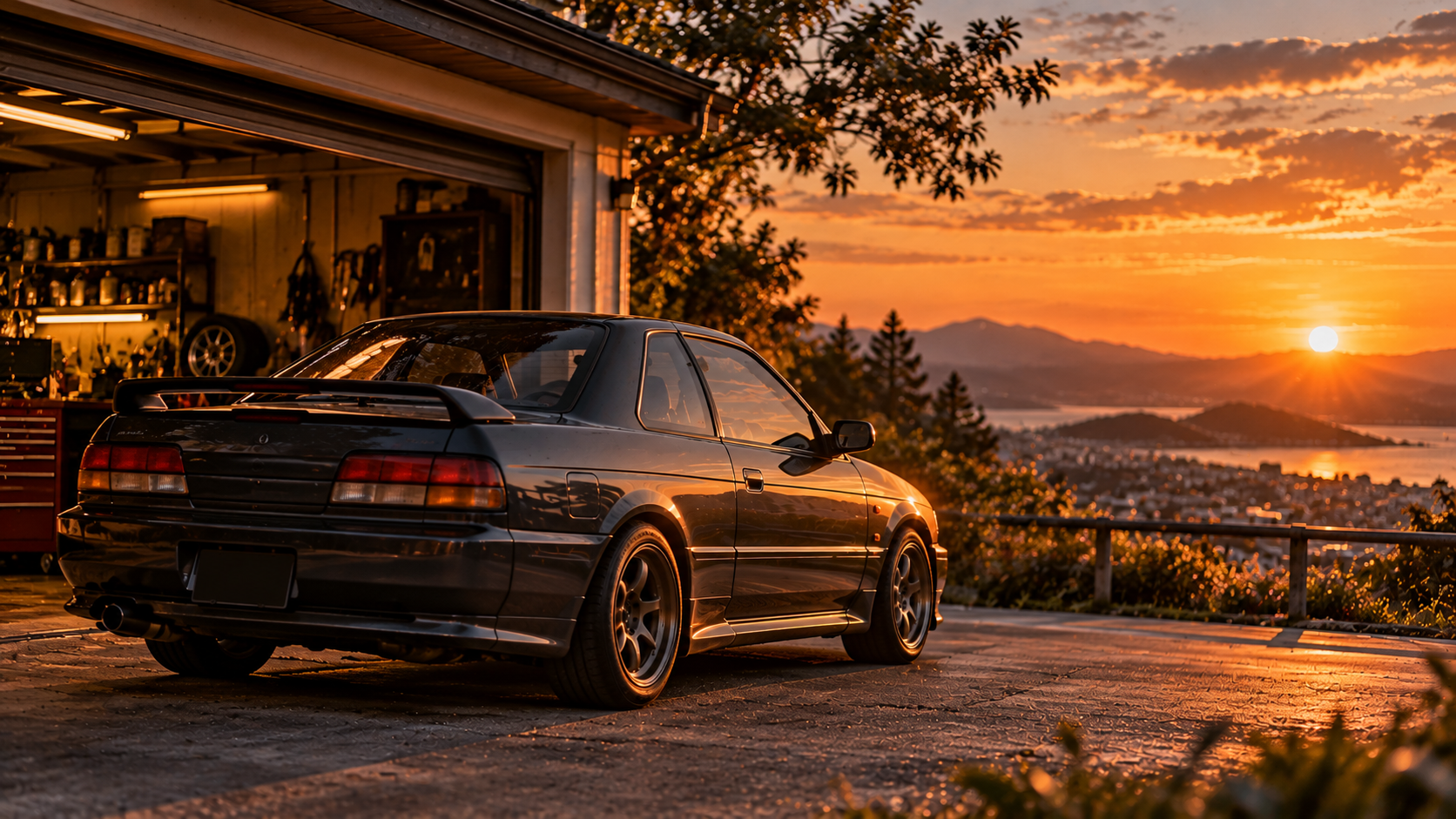
Not every memorable car is a great car on paper.
Some have uncomfortable seats, temperamental electronics, aging interiors, or engines that demand more attention than their owners would prefer. Others are noisy on the highway, awkward to park, or expensive to keep in good condition.
By conventional standards, there may be plenty of reasons to replace them.
And yet, their owners keep making excuses to hold on.
They postpone the sale, order another replacement part, or spend a Saturday morning fixing something that would be easier to ignore by buying a newer vehicle. They know the car is imperfect. They simply do not feel ready to let it go.
Why does this happen? Why can a car that frustrates us on Monday still be the one we want to drive on Sunday?
The answer has a lot to do with character, familiarity, memories, and the personal relationship that develops between a driver and a machine.
When Is an Imperfect Car Worth Keeping?
Emotional attachment can be a good reason to keep a car, but it should not be the only consideration. A practical decision also depends on the vehicle’s condition, repair costs, safety, and the owner’s budget.
Compare repair costs with the car’s realistic value. A single expensive repair does not automatically make a car uneconomical to keep. Consider the vehicle’s condition, expected future maintenance, and the cost of replacing it with a dependable alternative.
Separate character from recurring problems. A distinctive engine, unusual design, or enjoyable driving experience may make a car special. Repeated breakdowns, unresolved electrical faults, or persistent overheating are different issues that deserve careful diagnosis.
Check safety-critical components first. Brakes, tires, steering, suspension, structural rust, and essential safety systems matter more than cosmetic imperfections. A car that feels familiar is not necessarily safe to drive.
Consider how you actually use the vehicle. A weekend project can tolerate more downtime than a car needed every day for work or family responsibilities. The right decision depends partly on whether the car fits your real needs.
Set a realistic maintenance budget. Include routine servicing, repairs, parts availability, insurance, and unexpected expenses. Keeping a car should be a considered choice rather than a cycle of paying for one emergency after another.
Sometimes the best decision is to keep and restore a car. Sometimes it is to sell it, retire it from daily use, or preserve it as a project. The goal is not to eliminate emotional attachment, but to balance that attachment with safety and financial reality.
Perfect on Paper Does Not Always Mean Memorable
Modern cars are expected to do many things well. They should be safe, efficient, comfortable, reliable, practical, and easy to use. Manufacturers invest heavily in making everyday driving smoother and more predictable.
These improvements matter. A dependable car that starts every morning and handles daily traffic without drama can make life considerably easier.
But a list of strengths does not fully explain why a particular vehicle becomes memorable.
Two cars might have similar performance figures and equipment, yet leave completely different impressions. One may be objectively more capable, while the other has a steering response, engine note, seating position, or set of controls that makes it more enjoyable to its owner.
Sometimes, the memorable car has obvious flaws. Its clutch may be heavier than expected, the ride may be firm, or the cabin may produce a few familiar rattles. Those imperfections do not automatically make the car better, but they can become part of the experience of living with it.
What matters is the whole relationship, not just the individual measurements.
We Learn to Understand Our Cars
Owning a car for years creates familiarity that cannot be reproduced during a short test drive.
You learn how the engine behaves when cold, how much pressure the clutch needs, and how the steering responds on a familiar road. You know where the controls are without looking and can often recognize an unusual sound because you understand what the car normally sounds like.
Over time, operating the vehicle becomes almost automatic. You stop thinking about each individual action and begin to respond naturally to what the car is doing.
This familiarity can make a car feel comfortable even when it lacks the refinement of a newer model. Its quirks are no longer surprises. They are known characteristics that the owner has learned to manage.
That does not mean every fault should be accepted. A warning light, brake problem, unusual knocking sound, or change in handling deserves proper attention. Familiarity should help an owner notice problems, not provide a reason to ignore them.
Still, there is a difference between knowing a car intimately and simply using it. For some enthusiasts, that relationship is part of the pleasure of ownership.
Small Imperfections Can Give a Car Its Character
The word character is often used to describe cars that feel distinctive. It can refer to the way an engine delivers power, how the controls operate, or the combination of design choices that makes a vehicle recognizable.
Sometimes, it also refers to the little things that make the car different from everything else in the owner’s life.
Perhaps the door closes with a particular sound. Maybe the engine has a distinctive idle, the gear lever has a mechanical feel, or the dashboard layout reflects a time when designers approached controls differently.
These details do not necessarily improve performance or reliability. Their importance comes from the experience they create.
A car can also become familiar through its limitations. An older vehicle may require more planning before a long trip. Its owner might know which roads suit it best or how to make a smooth gear change. Those learned habits can create a sense of involvement that feels rewarding when everything works as expected.
However, there is an important distinction between character and poor condition. A distinctive engine note is not the same as an engine knocking because of a mechanical fault. A firm ride is not the same as worn suspension. The goal is to appreciate the car’s personality while keeping it safe and properly maintained.
Repairing a Car Can Strengthen the Connection
For owners who enjoy working on their vehicles, maintenance can become part of the relationship.
Replacing a worn component, solving a difficult problem, or restoring a neglected interior creates knowledge that goes beyond simply knowing how to drive the car. The owner begins to understand how its systems fit together and what it takes to keep them working.
That effort can make the vehicle feel more personal.
Perhaps the car was purchased in poor condition and gradually improved. Maybe it spent months waiting for a hard-to-find part. Or perhaps the owner learned a new skill while trying to solve a problem that initially seemed intimidating.
When the car finally runs properly again, the satisfaction comes from more than the result. It also comes from remembering the time, patience, and effort involved.
This is one reason modified and restored cars can mean so much to their owners. The finished vehicle carries a record of the decisions made along the way.
Our article Why People Modify Their Cars explores how personal expression, creativity, and the process of changing a vehicle become part of automotive culture.
Of course, repairs can also become exhausting when costs rise or problems keep returning. Enjoyment should not require someone to ignore financial limits or compromise safety. The connection is most rewarding when the effort remains manageable.
The Car Becomes Part of a Personal Story
Cars often enter our lives at particular moments, and the timing can matter as much as the vehicle itself.
One car might be associated with a first job. Another may have been purchased after years of saving. A small coupe might represent a period of independence, while a practical family vehicle may have carried children through school years and holidays.
When the car is linked to an important chapter, its imperfections become easier to overlook in memory.
Years later, an owner might remember the journeys more clearly than the mechanical problems. The broken window switch becomes a funny story. The difficult cold starts become something that happened on winter mornings. The worn seat becomes the place where a thousand ordinary conversations took place.
This is not necessarily a claim that the car was good. It is an acknowledgment that the car was present during experiences that mattered.
That connection can be difficult to explain to someone who sees only the vehicle’s age, mileage, and market value. Personal significance does not appear on a valuation report.
We explored a related idea in The Cars We Remember Long After We Sell Them, which looks at how vehicles become connected to memories long after ownership ends.
Familiarity Can Be More Valuable Than Novelty
A new car offers an obvious kind of excitement. The paint is fresh, the interior is unfamiliar, and every feature invites exploration. The experience can feel like a new beginning.
But novelty fades. After a few months, the new vehicle becomes part of the daily routine. Its features become familiar, and the excitement of learning about it gradually gives way to ordinary use.
An older car can offer something different. Its appeal may come from years of accumulated familiarity rather than the promise of something new.
The owner knows how it responds, where its strengths lie, and what makes it different from other vehicles. Even when another car offers more technology or better performance, the