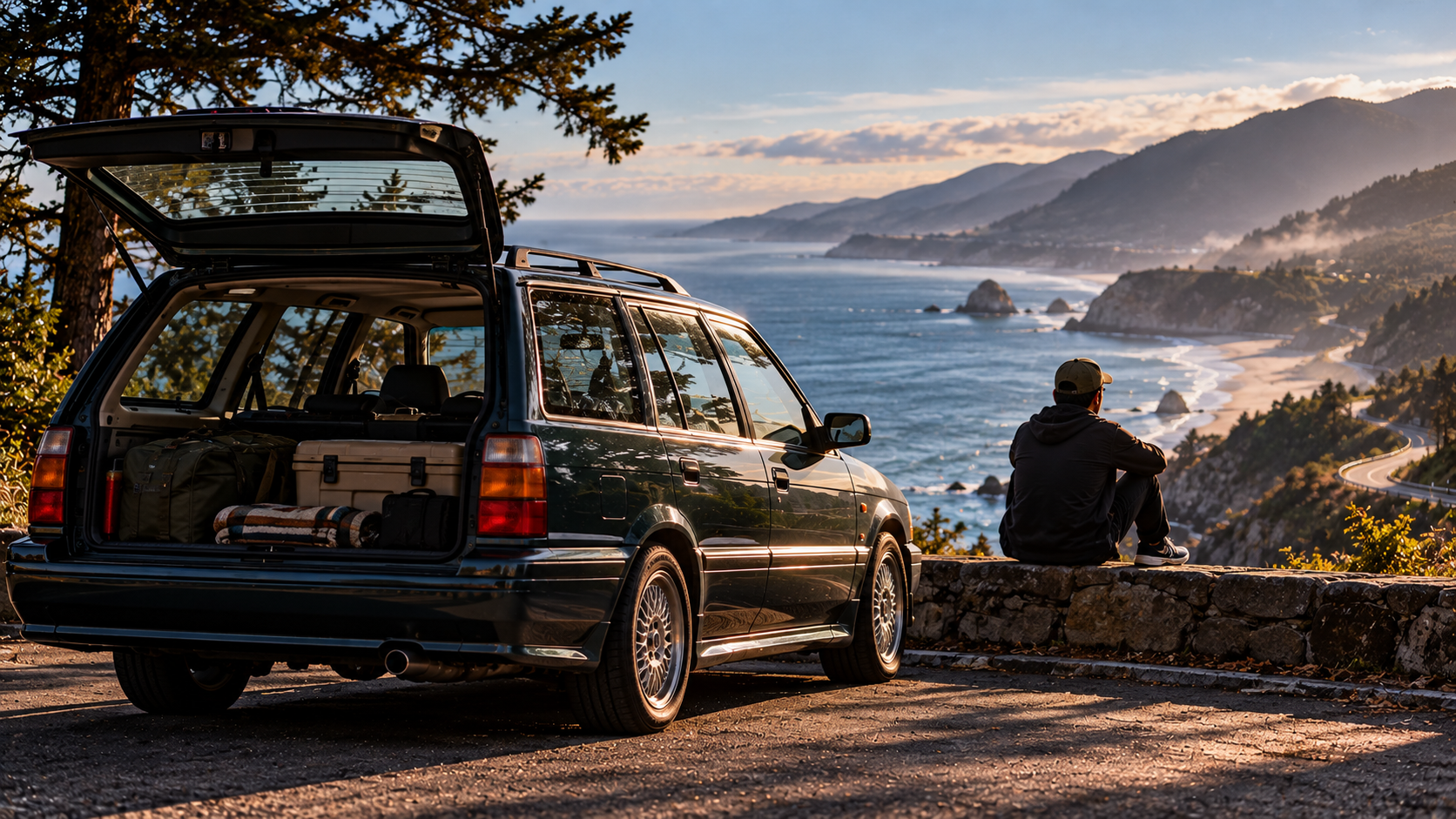
Every generation grows up surrounded by a different collection of cars. Some are remembered as family transportation. Others become posters on bedroom walls, stars in films, or the first vehicles young drivers dream of owning.
Years later, a familiar shape on the road can bring back an entire era. A boxy hatchback might recall the streets of the 1980s. A compact sports coupe may bring back the tuning culture of the 1990s. A modern electric vehicle can represent a period when the automotive world began reconsidering what a car could be.
These vehicles do more than reflect the time in which they were built. Sometimes, they help define it.
But what makes a car a generational icon? It is rarely just horsepower, sales figures, or a famous badge. The cars that endure in our collective memory usually connect engineering, design, culture, and personal experience in a way that goes beyond transportation.
A Generation Remembers the Cars It Grew Up With
Our earliest memories of cars often come from everyday life rather than automotive magazines. We remember what parents drove, which vehicles belonged to neighbors, and which models appeared regularly on the streets near home.
For one generation, the defining image might be a practical family sedan with simple controls and an unmistakable silhouette. For another, it might be a small hatchback that became the first affordable route to independence. A later generation may associate its teenage years with turbocharged coupes, SUVs, or electric vehicles.
These memories form naturally because cars are everywhere. They take children to school, carry families on holiday, and appear in the background of countless photographs. A vehicle can become familiar long before someone understands its engine or knows the name of its manufacturer.
That familiarity matters. When people encounter the same model years later, they may remember the period of life in which they first saw it. The car becomes a shortcut to memories of places, people, and experiences that have little to do with its original purpose.
This is one reason generational car culture can be so personal. A model that seems ordinary to someone else may be inseparable from another person’s childhood.
Design Can Make a Car Instantly Recognizable
Some cars become icons because their proportions and details are difficult to confuse with anything else.
A distinctive roofline, unusual headlights, a long bonnet, squared-off bodywork, or a particular arrangement of windows can make a vehicle recognizable even after decades have passed. These design choices give a car a visual identity that survives changes in fashion.
Automotive design also reflects the priorities of its time. Earlier cars often expressed their era through chrome trim, angular shapes, or relatively simple body forms. Later decades introduced different approaches to aerodynamics, safety, packaging, and manufacturing. Contemporary vehicles increasingly balance digital lighting, aerodynamic efficiency, and the demands of electrified powertrains.
Not every popular design becomes timeless. Trends can age quickly, and some vehicles become recognizable mainly because they look unmistakably dated. Yet that can be part of their appeal: they provide a visual record of how people imagined the future at a particular moment.
Design is especially powerful when a car looks different without becoming difficult to understand. Its silhouette may be distinctive, but its proportions still feel coherent. Enthusiasts can recognize the vehicle from across a parking lot, even when the badge is hidden.
That recognition is often the first step toward an enduring reputation.
Affordable Cars Can Define an Era Better Than Supercars
It is tempting to assume that the most important cars of a generation must be the most expensive or powerful. In reality, everyday vehicles can have a much broader cultural influence.
An affordable hatchback may introduce millions of people to independent mobility. A practical family car may become the default vehicle for road trips and school runs. A compact sedan may remain visible for decades because it was produced in large numbers and proved easy to maintain.
These cars shape the experience of ordinary drivers. They influence how people commute, travel, work, and organize family life. Their impact may be less dramatic than that of a limited-production supercar, but it reaches far beyond a small group of enthusiasts.
Affordability also affects memory. A car that people could realistically buy, borrow, or ride in becomes part of shared experience. It appears in neighborhoods, parking lots, roadside workshops, and family photographs.
That does not make performance cars less important. A legendary sports car can influence design, engineering, and popular culture far beyond its production numbers. But generational significance is not reserved for vehicles with extraordinary specifications.
Sometimes, the car that defines an era is the one that was everywhere.
Movies, Music, and Games Turn Cars Into Cultural Symbols
A car’s cultural life often extends beyond the roads on which it was originally driven.
Films can turn a vehicle into a symbol of rebellion, sophistication, freedom, or danger. Television introduces particular models to audiences who might never have encountered them in person. Music videos and album imagery can associate cars with a specific sound, fashion, or lifestyle.
Video games create another kind of connection. Players may spend hours driving virtual versions of cars they cannot afford, restoring digital vehicles, or learning the characteristics of models from different periods. For some people, these experiences become an early introduction to automotive culture.
The effect can be surprisingly durable. A vehicle may remain recognizable to people who have never owned one because its image has been repeated across entertainment and popular media.
However, cultural fame does not always match real-world significance. A car can become famous because of a memorable appearance, even if it was never particularly common or technically groundbreaking. Another model may have changed the industry while receiving far less attention from the public.
Both kinds of influence matter. One helps define the engineering history of the automobile; the other helps explain why people remember it.
Automotive Technology Marks the Passing of Generations
Cars are also records of technological change. Looking across several generations reveals how dramatically the driving experience has evolved.
Older vehicles often relied on comparatively simple mechanical systems and limited electronic assistance. Over time, fuel injection, electronic engine management, anti-lock braking systems, airbags, stability control, navigation systems, and driver-assistance technologies changed what manufacturers could offer.
These developments did not arrive everywhere at the same time. Their availability depended on the market, price, manufacturer, and vehicle class. Nevertheless, they gradually changed the expectations drivers brought to a new car.
More recently, electrification and increasingly connected software have begun reshaping the industry again. Electric vehicles have introduced different approaches to power delivery, packaging, and energy management, while digital interfaces have changed how drivers interact with their cars.
For some people, these changes represent progress and opportunity. Others feel nostalgic for simpler controls or the mechanical feedback associated with older vehicles.
Neither response is unusual. Each generation tends to judge cars partly through the technology it grew up understanding. What once seemed advanced eventually becomes ordinary, while yesterday’s familiar features may later feel charmingly old-fashioned.
Why the Cars of the 1990s Still Matter to Enthusiasts
For many enthusiasts, the 1990s occupy a particularly memorable place in automotive history. The decade offered a wide range of compact sports coupes, lightweight performance cars, practical sedans, and vehicles that became influential in tuning culture.
It was not a single unified golden age, and the cars varied considerably by market. But certain design and engineering choices from the period continue to attract attention: relatively compact dimensions, recognizable body shapes, mechanical controls, and a broad aftermarket for some popular models.
These cars also became part of a wider cultural story through motorsport, magazines, video games, and enthusiast communities. Their reputations continued to grow after production ended, helped by owners who restored, modified, and preserved them.
Some are now collectible, while others remain accessible project cars. Their appeal depends on condition, availability, originality, and the interests of the buyer.
Importantly, nostalgia should not hide the practical realities of ownership. Older vehicles may require more maintenance, lack modern safety equipment, or be difficult to keep in original condition. Their value is best appreciated alongside an honest understanding of their limitations.
For a closer look at why older vehicles continue to inspire such loyalty, see Why People Still Love Older Cars.
When an Ordinary Car Becomes an Icon
Not every iconic car begins life with a reputation for greatness.
Some vehicles gain significance gradually, as owners discover their strengths and communities form around them. A modest engine may prove durable. A chassis may respond well to careful modifications. Replacement parts may remain available, making the model attractive to people who want to maintain or restore it.
Other cars become icons because they arrive at the right moment. Their design captures a changing mood, their price makes them accessible, or their technology offers something that competitors have not yet matched.
Over time, stories accumulate. Owners share experiences, specialists develop knowledge, and enthusiasts preserve examples that might otherwise disappear. A car’s reputation can grow well beyond the expectations that surrounded it when new.
This process is not always predictable. Some models that were celebrated at launch fade from public memory, while less celebrated vehicles become sought-after classics decades later.
That is part of what makes automotive history interesting. The importance of a car is not always obvious while it is still sitting in a new-car showroom.
Generational Icons Are Built by Their Owners, Too
Manufacturers create the vehicle, but owners help determine what it eventually represents.
They choose how to maintain it, modify it, photograph it, and use it. Some preserve cars in original condition, while others personalize them with wheels, suspension changes, paintwork, or performance upgrades. Both approaches can contribute to the culture surrounding a model.
Meetups and enthusiast communities give owners opportunities to exchange knowledge and stories. One person may explain a rare factory option, while another shares a long restoration project or remembers learning to drive in a similar vehicle.
These conversations keep the cars relevant long after their original production runs have ended.
They also explain why the same car can mean different things to different generations. An older owner may remember it as an affordable new vehicle, while a younger enthusiast may know it primarily through restoration videos or online communities.
Each perspective adds another layer to the car’s cultural history.
As we discuss in Why Car Meets Are About More Than the Cars, automotive gatherings are often as much about shared stories and relationships as they are about the vehicles themselves.
The Difference Between a Popular Car and a Defining Car
A car can sell in large numbers without becoming a lasting cultural symbol. Conversely, a relatively uncommon model can have an outsized influence on how people think about performance, design, or engineering.
Popularity is usually connected to factors such as price, availability, practicality, and brand reputation. Generational influence is more complex.
A defining car might introduce a widely adopted technology, establish a new design direction, make a particular kind of performance accessible, or become closely associated with a cultural moment. Its influence may be visible in later vehicles, enthusiast communities, or the memories of people who encountered it.
There is no single measurement that captures all these contributions. Sales data can show how widely a model spread, but it cannot fully explain why one vehicle becomes emotionally important or why another inspires generations of enthusiasts.
Looking at a car’s technical achievements alongside its cultural reach gives us a more complete picture of its place in automotive history.
Which Cars Will Define the Next Generation?
The next generation of automotive icons may look very different from those that came before them.
Electric vehicles are changing expectations about acceleration, cabin design, and the way powertrains are packaged. Software-defined features are influencing how vehicles are updated and how drivers interact with them. At the same time, interest in older cars remains strong among enthusiasts who value mechanical feedback, distinctive styling, and the experience of maintaining a vehicle over time.
Future icons could emerge from any of these directions. A vehicle might become significant because it makes new technology accessible, preserves a particular kind of driving experience, or captures the cultural mood of its era.